
A pilgrim’s guide to Umrah
The rites in order, what to pack and how to look after yourself, in simple words.
What Umrah involves
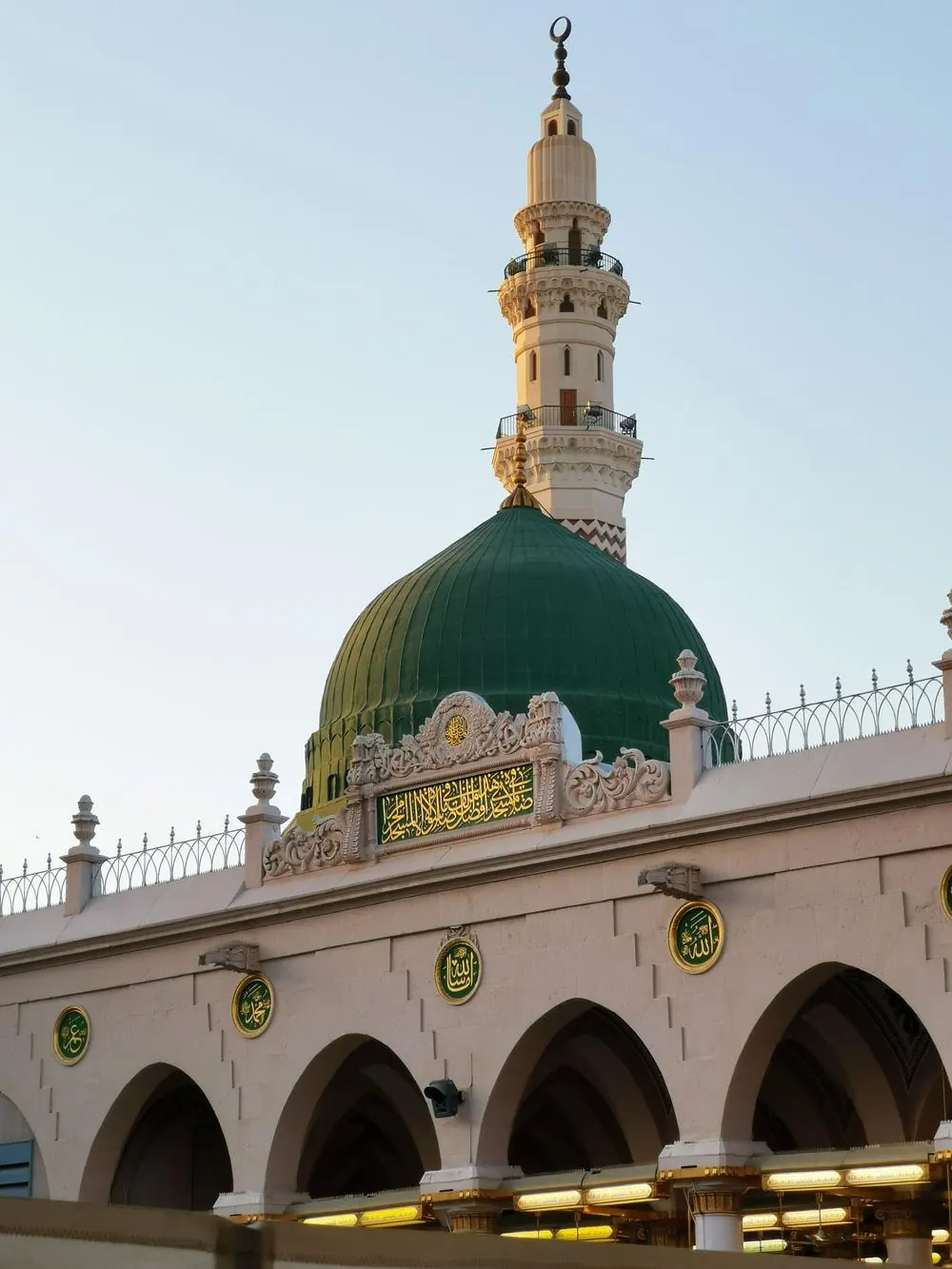
Umrah is a shorter pilgrimage to Makkah that can be performed outside the Hajj days. Most pilgrims also travel to Madinah to pray at Masjid an-Nabawi and visit its historic sites, so a typical journey includes both cities.
This page is a general overview to help you feel prepared. It does not replace the guidance of a qualified scholar or your group guide, who can answer questions specific to your situation.
- The rites of Umrah follow a set order
- Most journeys include time in both Makkah and Madinah
- Good preparation makes the rites calmer and less tiring
Six steps of Umrah, in order
1. Ihram and intention
Pilgrims enter ihram from the miqat and make the intention for Umrah. Men wear two unstitched white cloths; women wear modest, ordinary clothing.
2. Talbiyah
From ihram, pilgrims recite the talbiyah, the call that answers the invitation to the House of Allah, until tawaf begins.
3. Tawaf
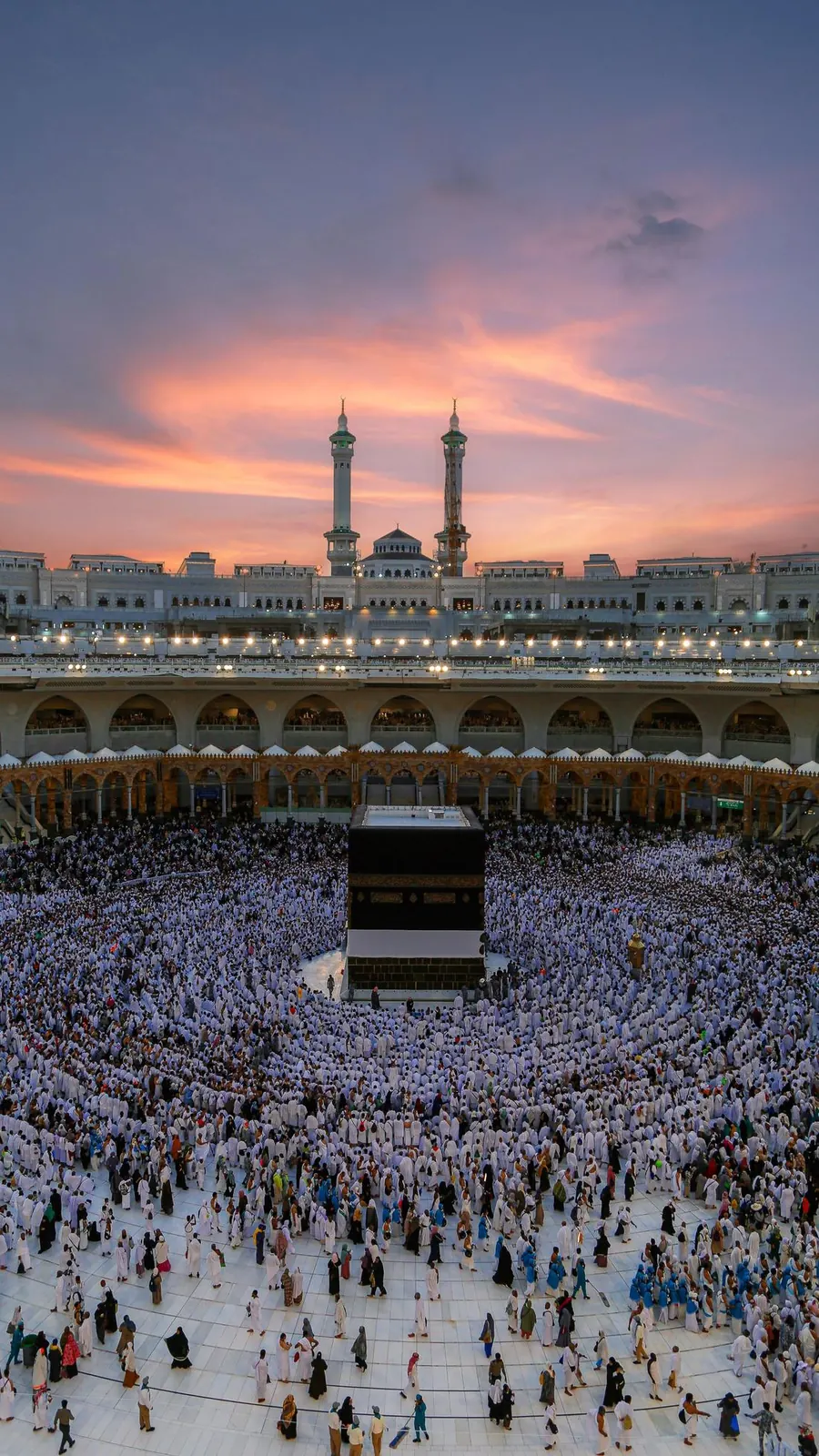
Seven circuits around the Kaaba, counter-clockwise, starting and ending at the line of the Black Stone.
4. Prayer and Zamzam
After tawaf, pilgrims pray two rak'ahs near Maqam Ibrahim as the crowd allows, and drink Zamzam water.
5. Sa'i
Seven laps between the hills of Safa and Marwah, beginning at Safa and finishing at Marwah.
6. Halq or Taqsir
The rites end with men shaving or trimming their hair, and women trimming a small portion, which releases the pilgrim from ihram.
How a typical Umrah journey flows
The exact schedule depends on your package, but most journeys follow this shape.
Before departure
Documents, vaccinations if required, bookings and a packed bag.
Arrival and rest
Airport transfer, hotel check-in and time to recover from the journey.
The rites of Umrah
Ihram, tawaf, sa'i and the final trim, ideally when you are rested.
Madinah and Ziyarat
Prayers at Masjid an-Nabawi and visits to historic sites at an easy pace.
What to carry with you
Documents
Passport, visa copy, tickets, hotel details and a few passport-size photographs. Keep copies in a separate bag and a photo on your phone.
Clothing
Comfortable, modest clothing for the weather. Men should carry ihram sets. Light layers help in air-conditioned places.
Footwear
Well-fitting, easy-to-slip-off footwear. You will walk a lot, so comfort matters more than style.
Health items
Your regular medicines in original packaging, basic first aid and anything your doctor advises. Check with your doctor before you travel.
Phone and contacts
A charged phone, a power bank, our number and your hotel’s name and address saved where you can find them.
Comfort items
A small daily bag, a refillable water bottle, unscented toiletries for ihram and a small prayer mat if you like.
Small habits that make a big difference
Helpful habits
- Keep your hotel card and our contact number on you
- Drink water regularly and rest between rites
- Stay with your group, and agree a meeting point
- Choose quieter times for tawaf if you are able
- Walk at your own pace and take breaks
Please avoid
- Pushing or rushing in crowded areas
- Leaving your group without telling someone
- Carrying more cash or valuables than you need
- Ignoring directions from mosque staff and security
- Overdoing it on the first day after a long journey
Looking after yourself on the journey
Stay hydrated
Drink water regularly, even if you do not feel thirsty. Long walks in warm weather drain you quickly.
Protect your feet
Wear comfortable footwear and rest your feet between rites. Blisters can slow the whole trip.
Rest when you can
Do not stack every rite into one day. Spread your effort so you stay strong for the whole journey.
Know your way
Note the gate numbers and landmarks near your hotel, and keep the hotel address with you.
Sleep well
Adjust to the new time zone gently, and get proper sleep before the main rites.
Keep contacts handy
Save our number and your group guide’s number, and share your plan with a family member back home.
Small courtesies that matter
Modest dress
Dress modestly and comfortably in both holy cities.
A calm voice
Keep your voice low in the mosques, and be mindful of those praying nearby.
Patience with others
Crowds are part of the experience. Give space, and be kind to fellow pilgrims.
Follow staff guidance
Mosque staff and security are there to help. Follow their directions politely.
Common Umrah questions
When can Umrah be performed?
Umrah is not tied to fixed days the way Hajj is, but visa availability, hotel demand and flights change through the year. Contact us with your preferred month and we will tell you what is possible.
Do I need a guide for the rites?
It helps, especially the first time. Many pilgrims travel with a group guide or an experienced family member. We can talk you through the plan before you travel.
How long does Umrah take?
The rites themselves usually take several hours, depending on crowds and pace. Most journeys include several days in Makkah and Madinah so you are never rushed.
Can elders and children perform Umrah?
Yes, with planning. Hotel distance, rest breaks and the right transport make a big difference, so tell us who is travelling.
Where can I ask about religious rulings?
For questions of fiqh, please ask a qualified scholar. We help with the travel and logistics.
Ready to plan your Umrah?
Tell us your dates and who is travelling, and we will suggest a journey.